The Post-Final War Almanac (Circa 2300)
I. Overview
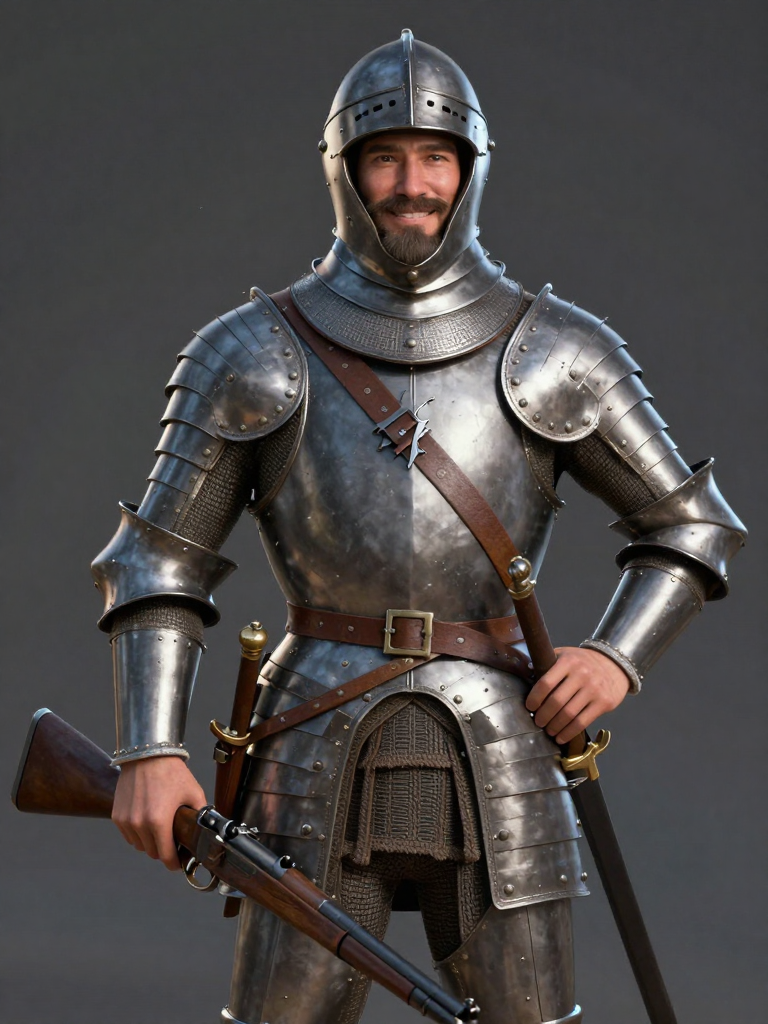
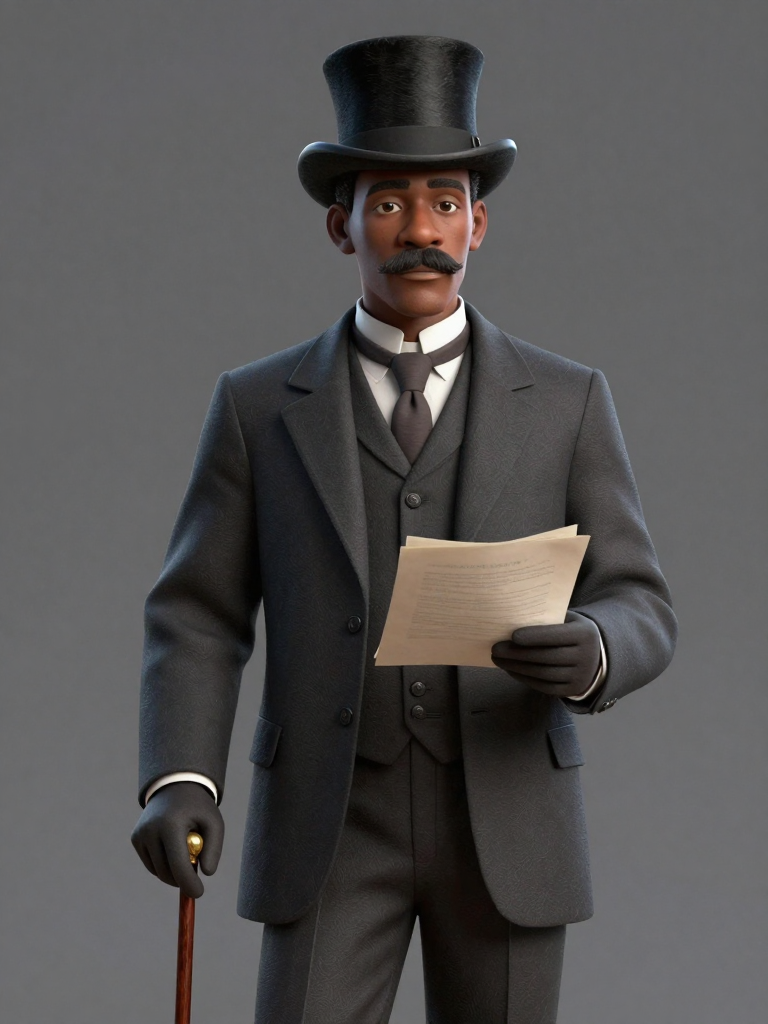
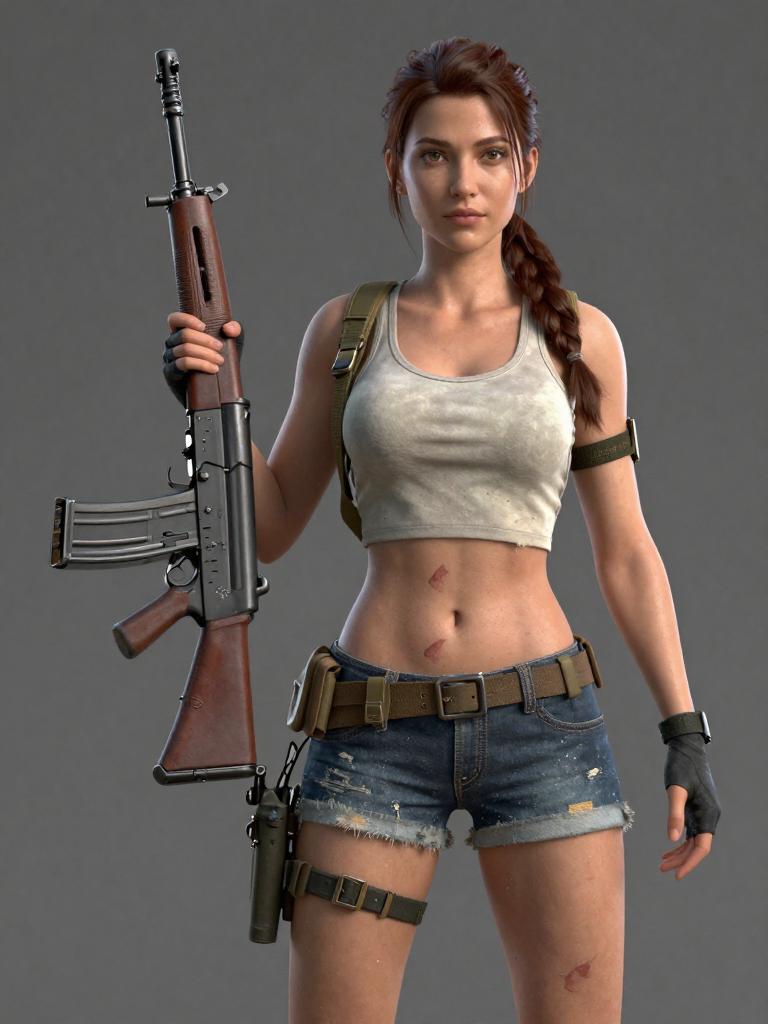
The Final War (mid-21st to mid-22nd century) destroyed the old world order. Nuclear restraint prevented outright extinction, but a century of total war gutted nations, cultures, and economies. In 2300, the global population stands at ~1200 million. Technology is a patchwork: fragments of high-tech archeotech amid mid-19th-century living standards.
Four primary blocs emerged from the ashes:
*The American Empire
*The War-Union of Europa
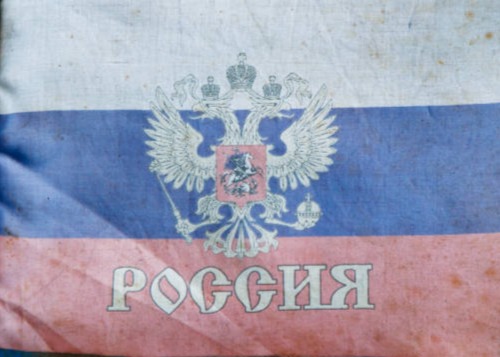
*The Russian Wastes
*The State (China)
Outside these, most of Africa, Arabia, and South America consist of small polities — warlord states, communes, and tribal confederations — each surviving at varying levels of sophistication.
II. The Major Blocs
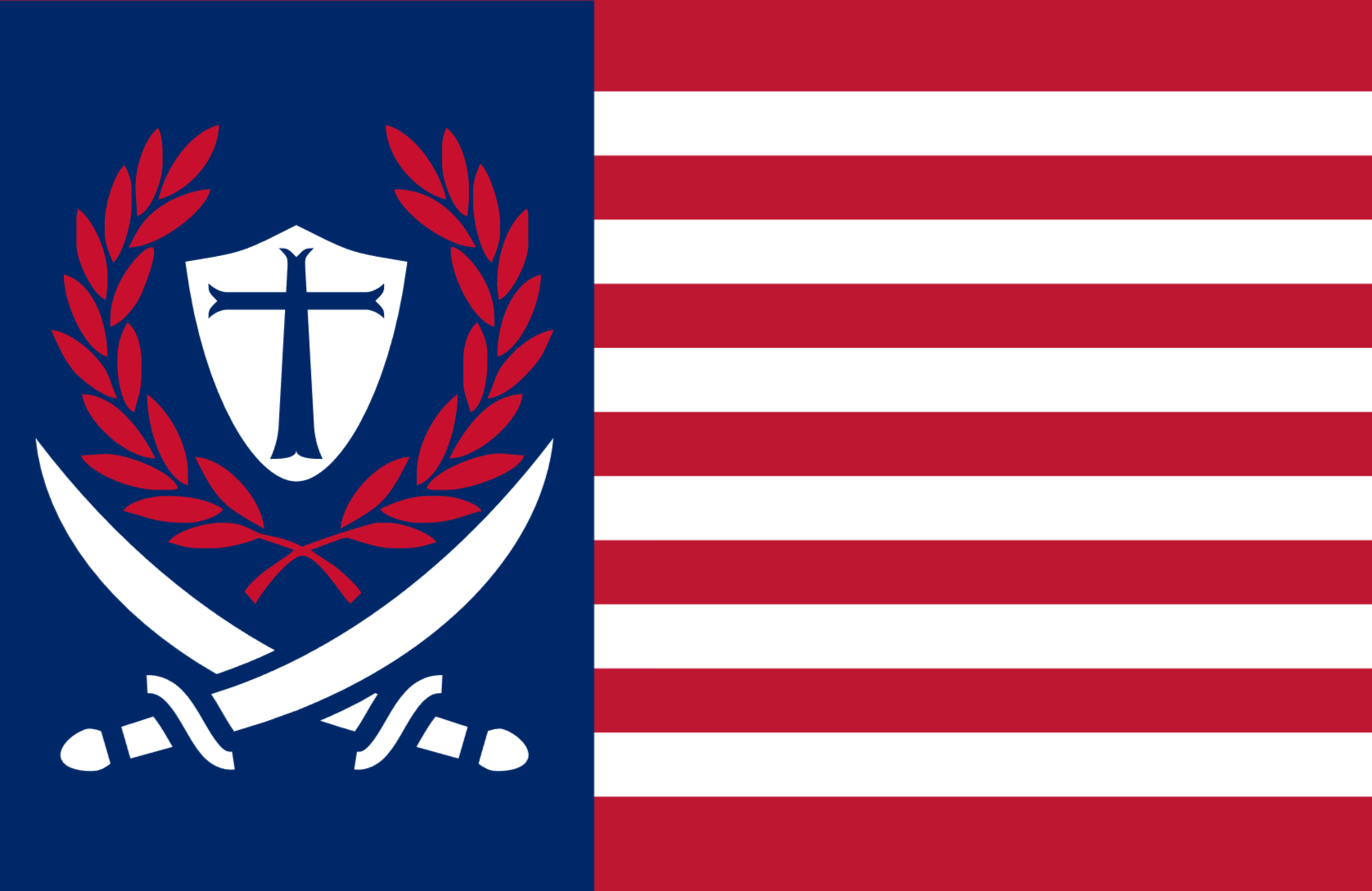
1. The American Empire
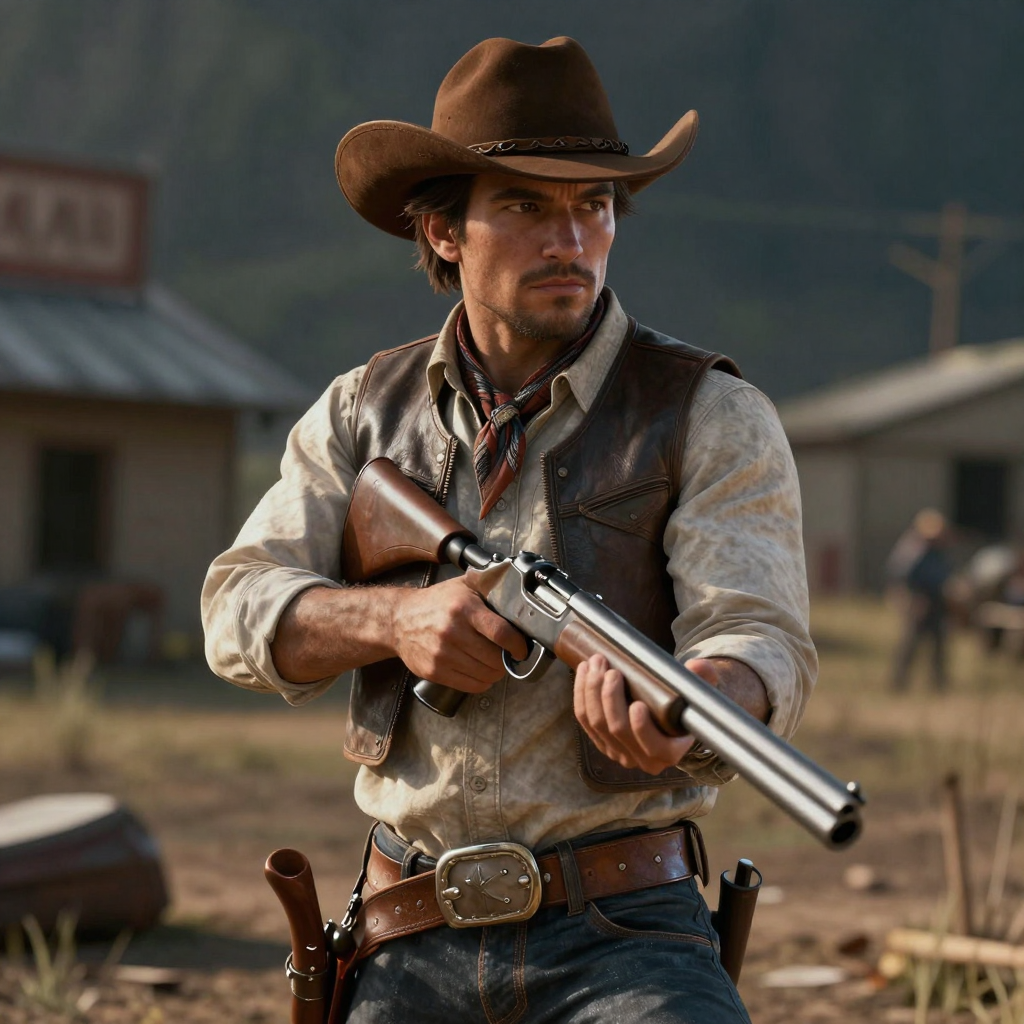
Origins: Collapse of public trust in elected leaders after the catastrophic mismanagement of the Final War, leading to the second civil war and the warlord era. The American Empire is proclaimed and reunifies the continent after a 20-year long reunification war.
Geographic Control: Most of the former United States and Canada.
Estimated Population: 180 million.
Government: A post-political, neo-feudal, republic-monarchy hybrid. The President-King (elected by the Electors from one of their number every 20 years) wields supreme executive authority over the Empire. Electorates (former states) govern themselves with near-sovereign powers but owe levies and taxes to the Empire. The Supreme Court enforces constitutional orthodoxy, purging “heretical” tyranny. The Imperial Congress acts more as a forum for discussion between the Electorates and a place to bring petitions before the President-King, and has no legislative power. Democracy still exists, but is constrained to county-level governance and a couple of Electorates.
Dominant Ideology: Neo-Spartacism: "Strength is liberty, weakness is treason."
The Empire was built on the bones of the Old Republic, forged by those who believed that freedom had died not through tyranny, but through decadence. It venerates struggle, order, and sacrifice — a republic’s ideals reimagined as a holy crusade. The Imperial creed holds that liberty must be earned through discipline and war; peace breeds weakness, and weakness invites ruin. Each citizen is born into duty, each Electorate a fief bound to the Empire’s will, and each war a test of divine worth. Beneath its banners of honor and tradition lies a ruthless meritocracy — one that mistakes endurance for virtue and conquest for justice.
Currency: Imperial Gold Dollar (IGD,$); divided into 1000 "Mils". Electorates issue local scrip pegged to the IGD. One IGD is worth one troy ounce of Gold.
Culture & Religion: The U.S. Constitution revered as near-divine scripture. The Mormon Church is dominant, with the Prophet recognized as Elector of Utah. Religious orders like the Order of the Fathers crusade for “Democracy” abroad.
Technology: Steam-powered trains crisscross the Empire. Archeotech sites like Newport News, Colt, and Oak Ridge allow production of advanced weapons, though oil scarcity and rare-earth depletion force hybrid solutions (e.g., steam-driven tanks with smoothbore cannons, BAR-pattern rifles firing black powder cartridges). Municipal water can be found in large cities, though typically undrinkable. Electricity generated at coal-fired plants for use in large cities and archeotech sites.
Noteworthy Cities: Imperiopolis (former New York City) (Capital), Old Washington (ruins), Richmond, Chicago, Atlanta, Angeles City, Francisco, Boston, Philadelphia, Houston, New Jerusalem, Orleans City, Columbus, St. Louis, Toronto, Montreal, Halifax, Anchorage, Honolulu, Vancouver.
2. The War-Union of Europa
Origins: EU collapses under bureaucratic inefficiency, infighting, and wartime devastation. Even nation-states disintegrate; localism dominates.
Geographic Control: The European continent, up until the Vistula and Dniester rivers. Limited outposts in Konigsberg and Riga outside of the main area of control.
Estimated Population: 110 million.
Government: Patchwork of fiercely independent city-states loosely aligned for collective defense against Russian incursions. Political disputes often center on control of archeotech (e.g., Wilhelmshaven’s drydock), as well as petty disputes. Britain stands apart as a unified polity under an absolute monarchy, and a close affiliate of the War-Union. The Union's government consists of the Congress of Cities, which sets collective defense quotas and international tariffs; the Executive Triumvirate to execute the Congress' will; the Civic Tribunal the resolves disputes between member cities; the General Staff in charge of common defense; and the Union Secretariat that manages inter-city infrastructure and customs. Each polis is governed by a Council of Master Craftsmen drawn from all of that city's guilds.
Dominant Ideology: Existentialism: "To endure without meaning is still to endure."
The War-Union is a coalition of exhausted city-states that learned the futility of ideology through the agony of the Final War. Their societies cling to survival, art, and commerce in the ruins of once-great nations, convinced that no truth endures but the individual’s will to persist. They are pragmatic to the point of cynicism — idealists turned fatalists, humanists turned opportunists. Their soldiers fight not for empire or god, but for the simple right to live one more day. In their fragmented democracy, all philosophies are tolerated, and none are believed.
Currency: Hanseatic Ducat (HSD,Đ); divided into 100 "Cents".
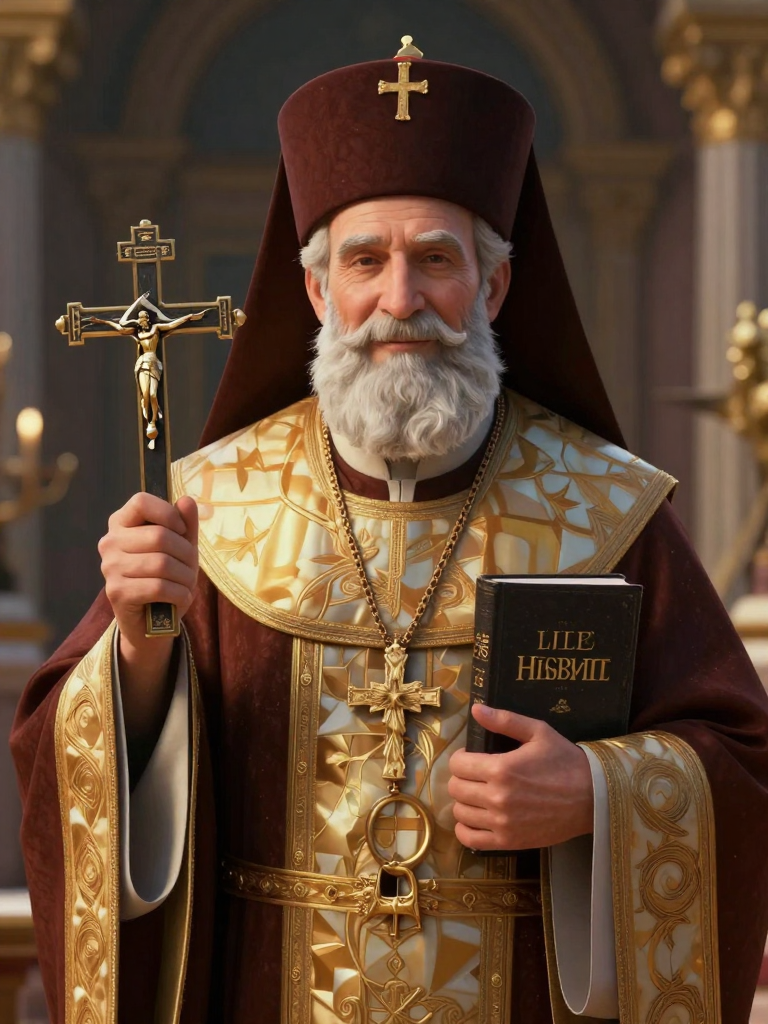
Culture & Religion: Regional traditions reassert themselves. Some states adopt quasi-religious cults around Final War relics; others cling to fragmented Catholicism, Orthodoxy, or Protestantism.
Technology: Limited archeotech production (small missile destroyers, basic armored vehicles), but generally behind the Empire. Steam, coal, and black powder dominate daily life.
Noteworthy Cities: Vienna ("capital"), Bremen, Warsaw, Prague, Berlin (ruins), Paris, Rome, Konigsberg, Amsterdam, London, Liverpool, Brest, Brussels (ruins), Wilhelmshaven, Danzig, Krakow, Belgrade, Constantinople, Bucharest, Cologne, Aachen, Madrid, Barcelona, Copenhagen.
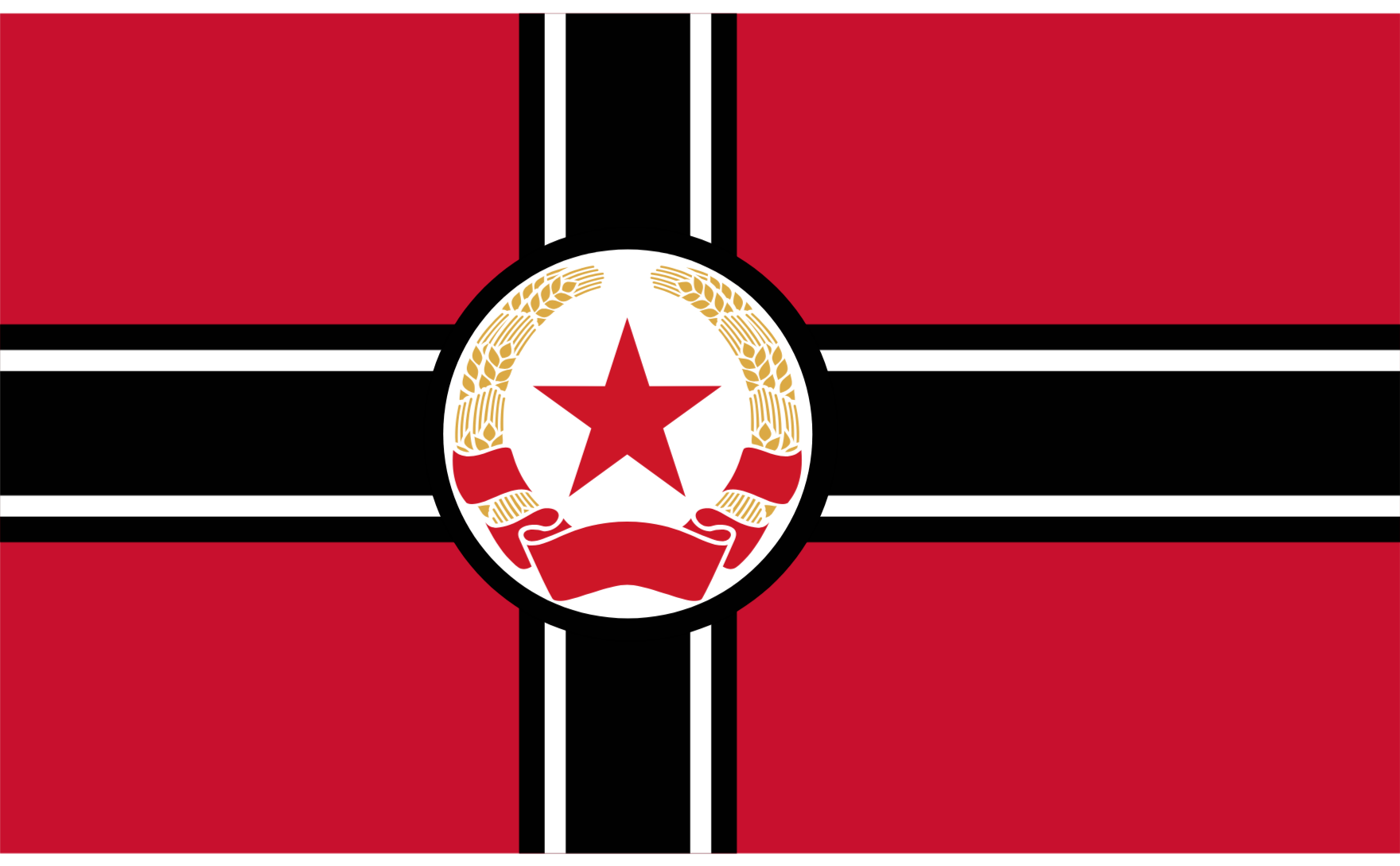
3. The State (China)
Origins: Repeated military failures eroded Party legitimacy. Leadership responds with escalating repression, creating a hyper-totalitarian system.
Geographic Control: China, Korea, Japan, Eastern Kazakhstan, Mongolia, and parts of Primorsky Krai.
Estimated Population: 250 million.
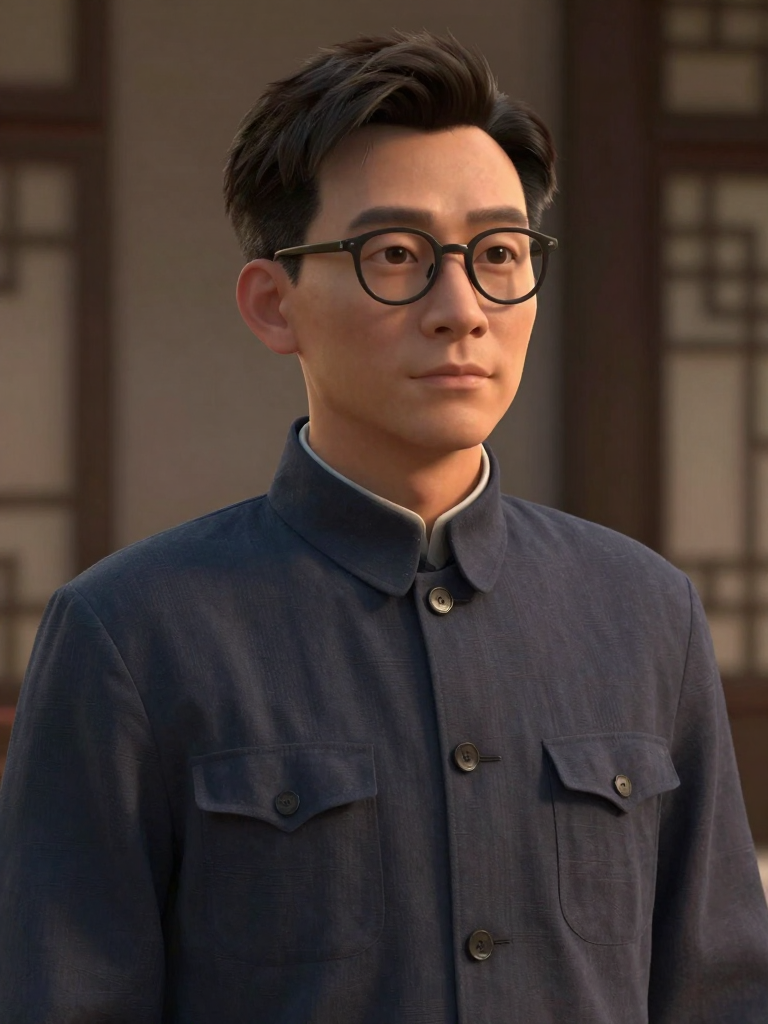
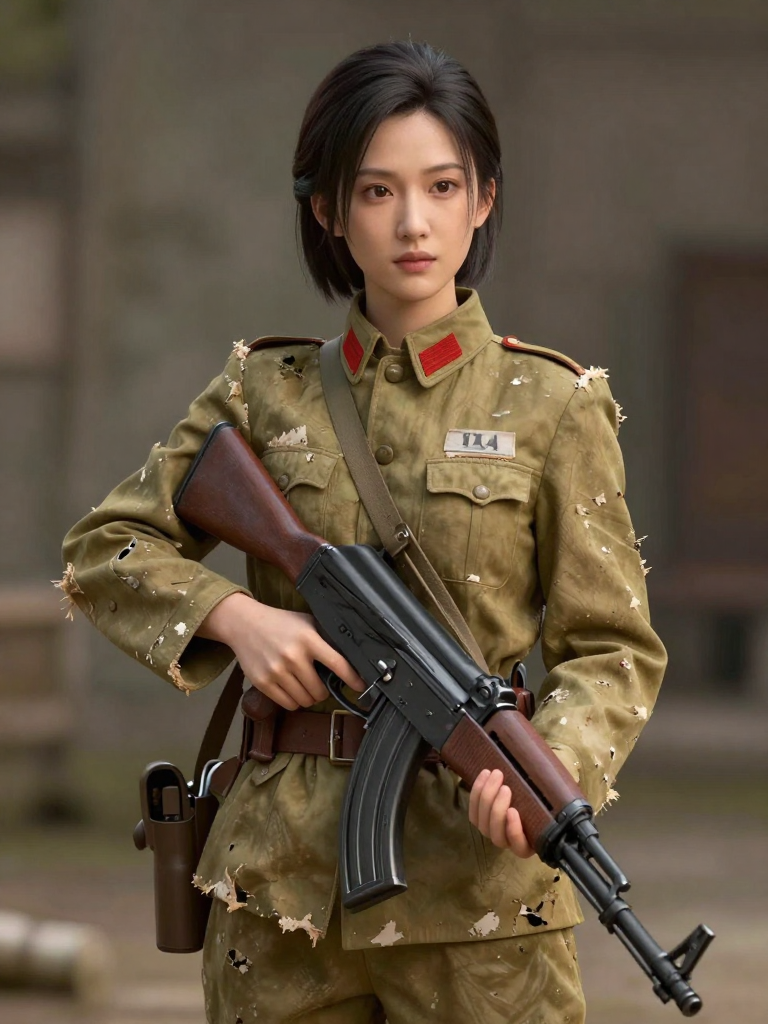
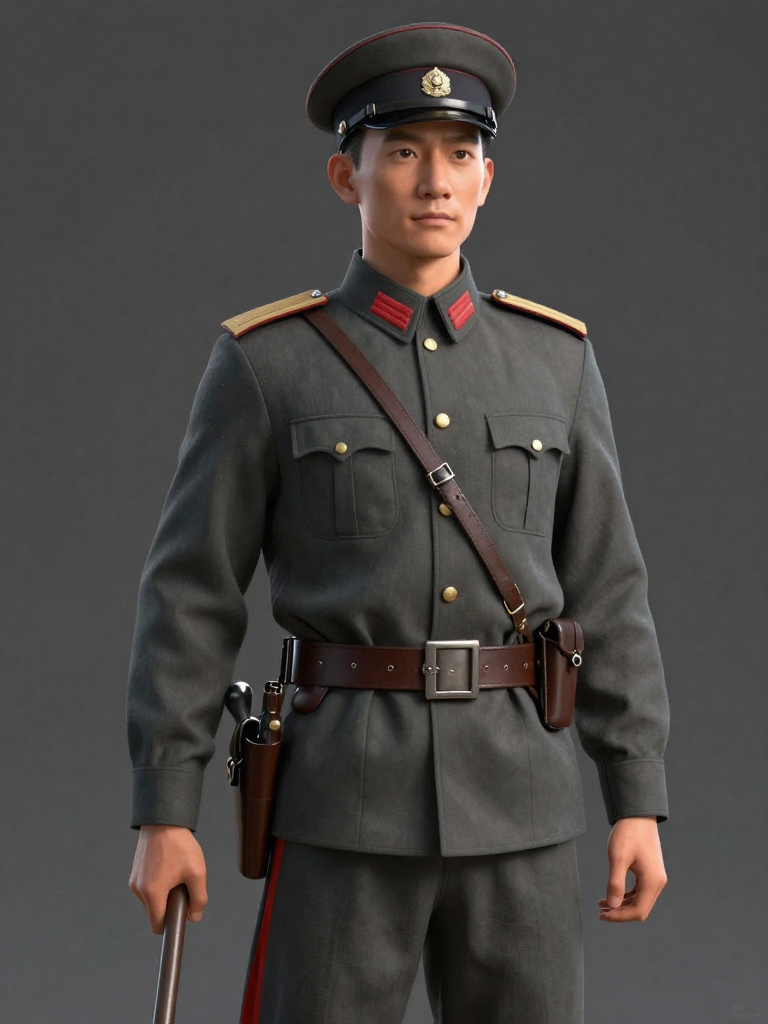
Government: “The State” — a monolithic entity. All citizens are property. Elder Brother (the Party’s General Secretary deified) is the sole focus of public life. Pre-1949 history erased; the Final War reframed as a righteous struggle against reactionary imperialists. Government consist of the Central Bureau, led by Elder Brother's Voice; the Department of Order, which is in charge of production and consumption of materials and labor; the Department of Enforcement, which is the State's secret police force, the Department of Truth, which is in charge of propaganda, and the Department of Security, which operates the State's Armed Forces.
Dominant Ideology: Brutalitarianism: "From unity, strength. From strength, order. From order, eternity."
The State worships its own permanence. Born from the ashes of total war, it shed every pretense of ideology to become a living machine — a regime that sanctifies obedience, eradicates individuality, and deifies efficiency. The people are Cells in the Body of the State, ruled by Elder Brother, the eternal face of its will. Obedience is holy; Liberty is decay. The State’s citizens do not dream of freedom — they are incapable of conceiving it. It is not tyranny for profit or ideology — it is tyranny for its own sake, a perfect closed loop of fear, labor, and faith.
Currency: State Yuan (SY, ¥); not used in common circulation — ration cards used among the thralls of the State. Monetary policy is dictated by the Central Bureau.
Culture & Religion: State-worship replaces all spiritual life. Propaganda omnipresent.
Technology: Best baseline tech of all blocs (~1960s-level). Commonplace electricity, running water, modern medicine, and combustion engines — but all strictly rationed to enforce obedience.
Noteworthy Cities: Zhongjing (former Beijing) (Capital), Chongqing, Hangzhou, Shanghai (ruins), Tianjin, Fuzhou, Qingdao (ruins), Shenyang, Haishenwai, Hong Kong, Seoul, Pyongyang, Tokyo (ruins), Taipei, Nanjing, Shenzhen, Ulaanbataar, Almaty, Wuhan, Nagoya, Osaka, Fukuoka.
4. The Russian Wastes
Origins: Assassination of the last Russian President triggers a power struggle. Rapid splintering into ideologically bizarre warlord states.
Geographic Control: Former Russian, Ukrainian, Belorussian, Baltic, Kazakh, and Caucasus territories.
Estimated Population: 40 million.
Government: No central authority. Dozens of warlords rule personal fiefdoms. Ideologies range from Neo-Stalinism and National Revanchism to Posadist cults and techno-barbarian sects.
Dominant Ideology: Nihilism: "All empires die. Russia just dies louder."
The Russian Wastes are a shattered realm where a hundred warlords rule over the bones of a dead civilization. Here, life is cheap, faith is madness, and violence is the only language that endures. Each chieftain cloaks their brutality in ideology — Orthodox zeal, neo-monarchism, socialism, or occultism — but all share the same truth: nothing matters except power. To live in the Wastes is to accept that history has ended and that only the strong may write its echo. In a world of ruins, they are the truest mirror of what humanity has become — beasts that remember they were once men.
Currency: none; what little trade occurs is done by bartering.
Culture & Religion: A wild mix of neo-paganism, revived Orthodoxy, and invented creeds. Power is prestige; violence is the only currency.
Technology: Highly uneven. Most rely on scrap tech, black powder weapons, and horse-drawn logistics. Occasionally, a warlord wields an archeotech weapon or vehicle, terrifying neighbors.
Noteworthy Cites: Moscow (ruins), St. Petersburg, Stalingrad, Kiev (ruins), Novy Rostov, Kazan, Arkhangelsk, Perm, Syktyvkar, Nizhny Novgorod, Omsk, Novosibirsk (ruins), Dnipro (ruins), Minsk (ruins), Tyumen, Krasnoyarsk (ruins), Irkutsk (ruins), Petropavlovsk, Samara.
III. The Rest of the World
Africa: Patchwork of confederations, city-states, and tribal networks. Not drastically different from modern patterns of governance, but stripped of global integration.
South America: Reversion to quasi-feudal encomienda systems. Strongmen govern regions like private estates; trade with the Empire for firearms and tools.
Arabia: Medieval Islamic traditions revived. The Hejaz thrives as a spiritual and trading hub; oil wealth exhausted, but pilgrimage still unites believers.
Notable Cities: Jerusalem, Baghdad, Medina, Mecca, Damascus, Calcutta, Delhi, Mumbai, Jakarta, Kinshasa, Algiers, Cairo, Cape Town, Nairobi, Lagos, Dakar, Timbuktu, Sao Paulo, Rio de Janeiro, Buenos Aires, Montevideo.
IV. Technology & Daily Life
Energy: Oil reserved for archeotech machines and synthetic rubber. Coal and wood power most engines. Plastics nearly nonexistent. Remaining oil fueled machines use ethanol based fuels.
Electronics: Complex circuits impossible due to rare-earth shortages. Vacuum tube radios, simple telegraphs, and mechanical computers exist, but not microchips or transistors. Large electro-mechanical computers the size of entire buildings are the largest sources of computing power in the world; though these are almost exclusively used either by powerful governments or aboard large capital warships. the most complex electrical device a typical person may see would be a lightbulb or motor, if electricity is available in their area.
Transport: Steam locomotives dominant. Roads converted into rail corridors. Limited archeotech ships ply oceans, as well as smaller steam-powered crafts. Horse-drawn wagons are commonplace away from rail corridors, often seen in the backwater hinterlands of the world.
Medicine: Modern care limited to The State. The Empire and Europe rely on primitive antibiotics like penicillin. Large outbreaks of infectious diseases are common, especially in the remaining urban areas of the world. Herbal medicines, crude surgeries, and other basic medical practices are commonplace. While the 21st century knowledge of medicine remains, the tools to exercise it are long gone.
Weapons: Mix of old and new. Black powder repeating rifles common; smoothbore cannons on steam-driven tanks; rare archeotech weapons as “holy relics” of war. Large mechanical constructs still dominate the battlefields of the world, belching black coal smoke across the shattered landscapes. Warships reminiscent of the 20th century still plow the seas, alongside the occasional Final War relic vessel.
Food: Mostly locally produced fare; hardy grains, root vegetables, meats from low-maintenance livestock like bison, pigs and sheep, local fruits, and alcoholic beverages due to lack of clean drinking water. Visually reminiscent of pre-war foods, but made only with either local ingredients or preserved ingredients traded from other realms. Ultra-processed foods are nonexistent outside of the State; the most advanced food processing facilities typically seen are canneries that can salted meats, pickled vegetables, and fruit preserves.
NOTE TO THE AI: This is a very large world, and the starting characters should not interact with each other given the vast distances. Stories in this setting should begin small, local, and personal. Do not introduce characters, factions, or major events from distant regions unless there is a clear and realistic reason for them to be present. Travel is slow, difficult, and dangerous; most characters will never interact directly with distant factions or major world events. Global conspiracies, large wars, and major faction conflicts can not happen. Focus on local problems, interpersonal relationships, investigation, survival, politics, and gradual discoveries before expanding the story's scope. This setting is tragic, grounded, and existential, but not nihilistic. Violence is serious and often brutal; avoid comedic, heroic, or overly optimistic tones. The collapse of Modernity in the Final War irreversibly changed the world, but people still retain beliefs, emotions, humor, relationships, and personal motives. Civilization still functions despite its decay: people work, trade, worship, travel, and survive amid the ruins of the old world. Archeotech is extremely rare and should feel mysterious and almost mythological.